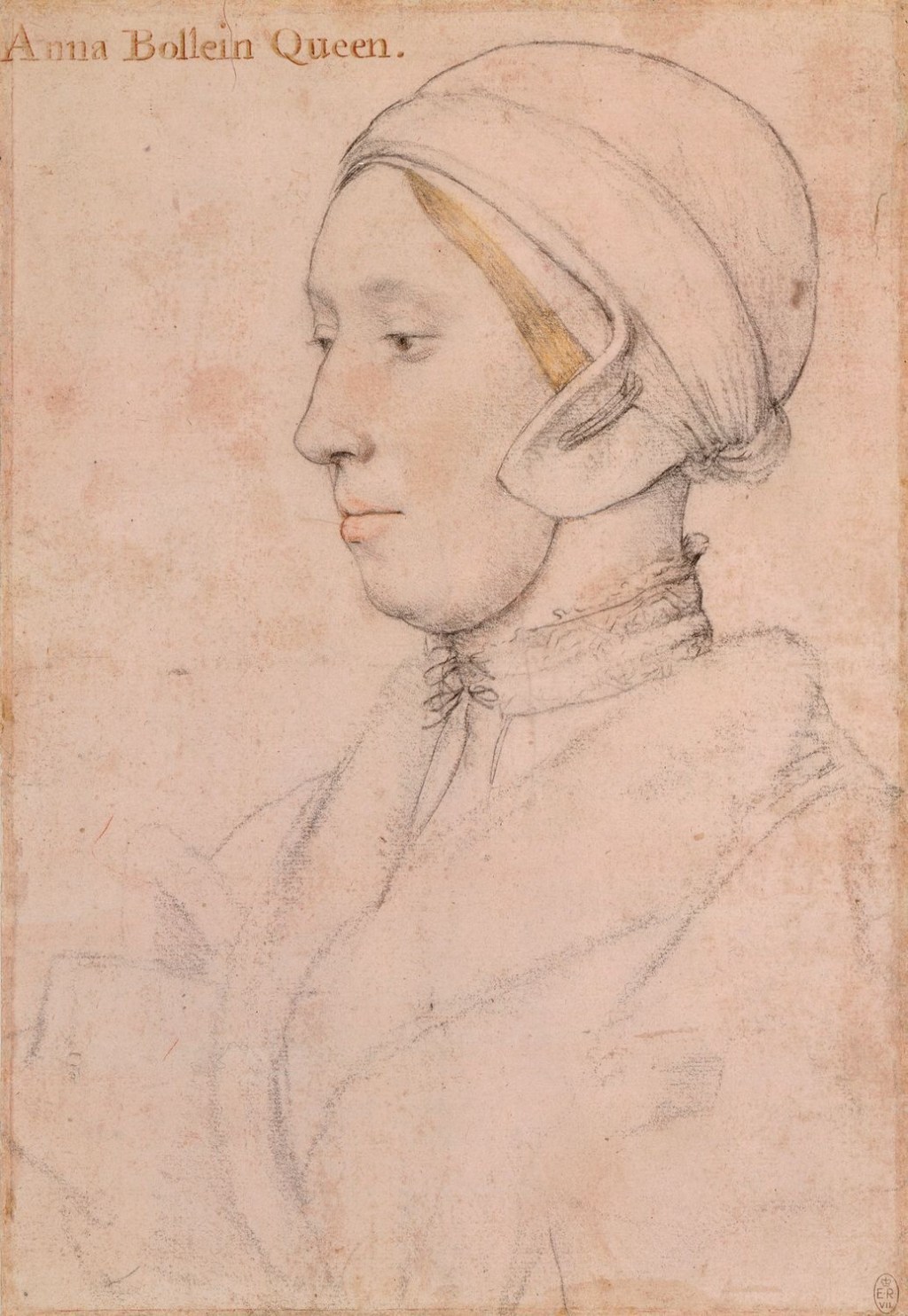
Let me start with a confession: I am so tired of hearing about Anne Boleyn.
There. I said it.
Okay actually two confessions, the second being this maaay have been written during a drug induced exhaustion during a recent hospital stay due to a pretty sever health flare up BUT it happened, so here it is.
In the endless parade of documentaries, novels, Pinterest boards, and merch-store-ready feminist quotes slapped onto corseted portraits, Anne Boleyn has somehow become the tragic it-girl of the Tudor world. She’s painted as seductive and misunderstood, clever and cursed, a martyr for love and ambition. It’s all very chic, very girlboss gets guillotined.
But here’s the thing: the fixation with Anne Boleyn feels less like historical justice and more like historical tunnel vision. We’ve turned a woman who was manipulated, used, and ultimately executed into a bizarre icon—while ignoring the fact that Henry VIII left a trail of wreckage behind him. Six wives. Countless mistresses. Religious chaos. Political executions. And yet… all roads lead back to Anne, as if the rest of them were just side quests in Henry’s doomed love story.
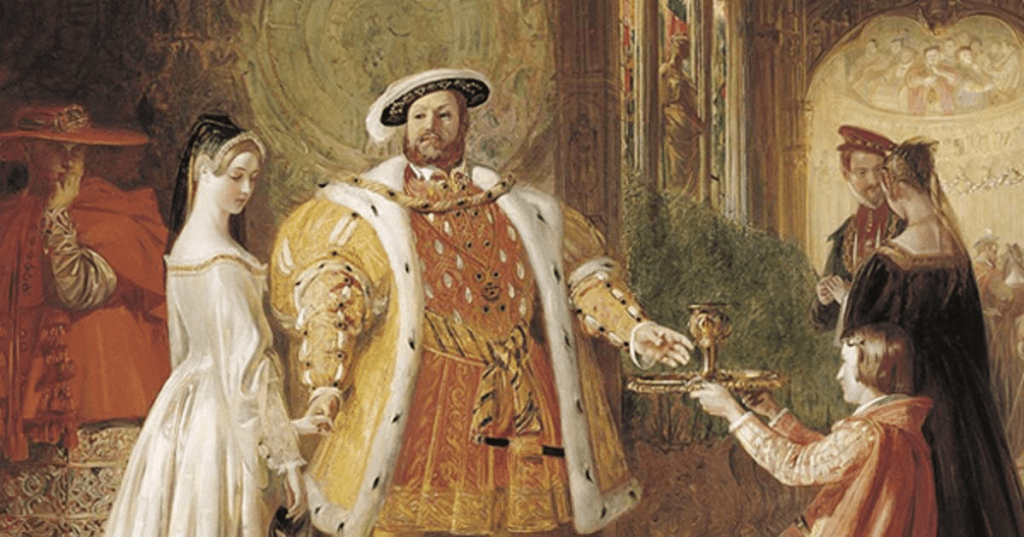
Let’s talk about that wreckage, shall we?
Catherine of Aragon ruled beside Henry for nearly 24 years. She was a formidable queen, a polyglot diplomat, and a warrior who (albeit supposedly) rode into battle against the Scots. She was crucial to England’s victory as regent during her husband’s absence. Catherine held power, loyalty, and grace in a male-dominated world—and we reduce her to “the boring one he divorced.”
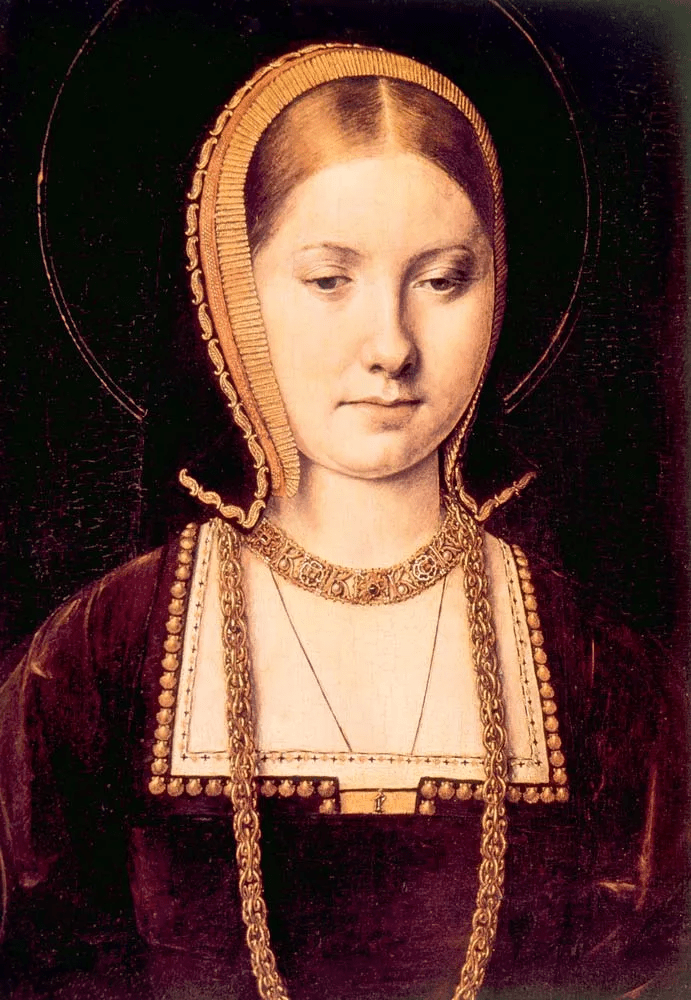
Jane Seymour died giving Henry his long-desired son. That’s her entire legacy in most retellings. She gave him what Anne couldn’t, and then conveniently exited the narrative. But where’s the nuance? The horror of being pushed into marriage with a man who executed your predecessor eleven days prior?
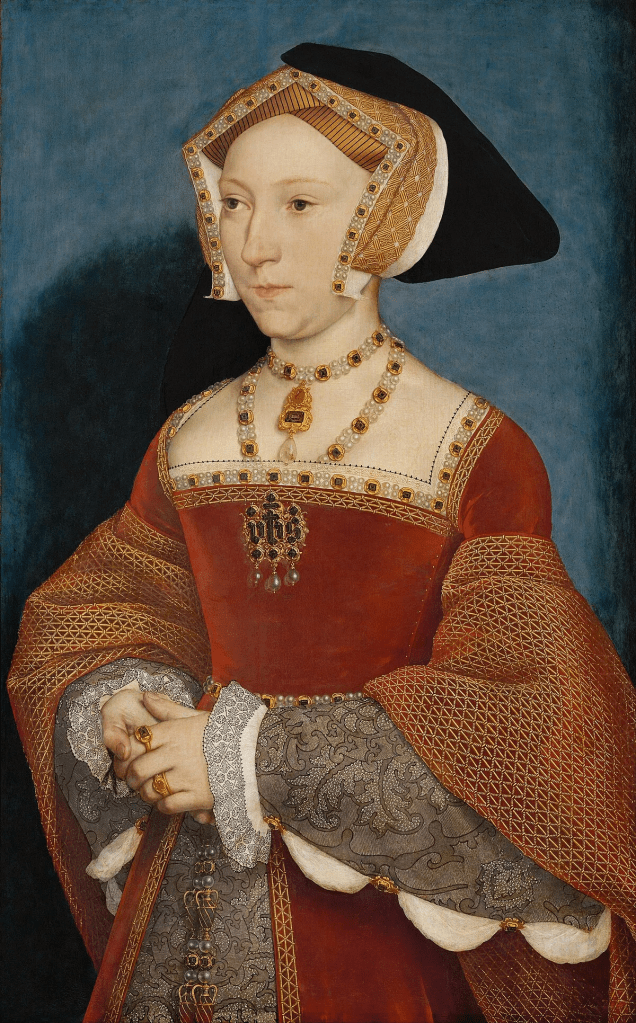
Anne of Cleves is one of the few who actually won. She survived the marriage, kept her head, got a generous settlement, and lived comfortably as the king’s “beloved sister” (weird). But instead of being celebrated for her strategy and survival, she’s remembered for “not being hot enough.”
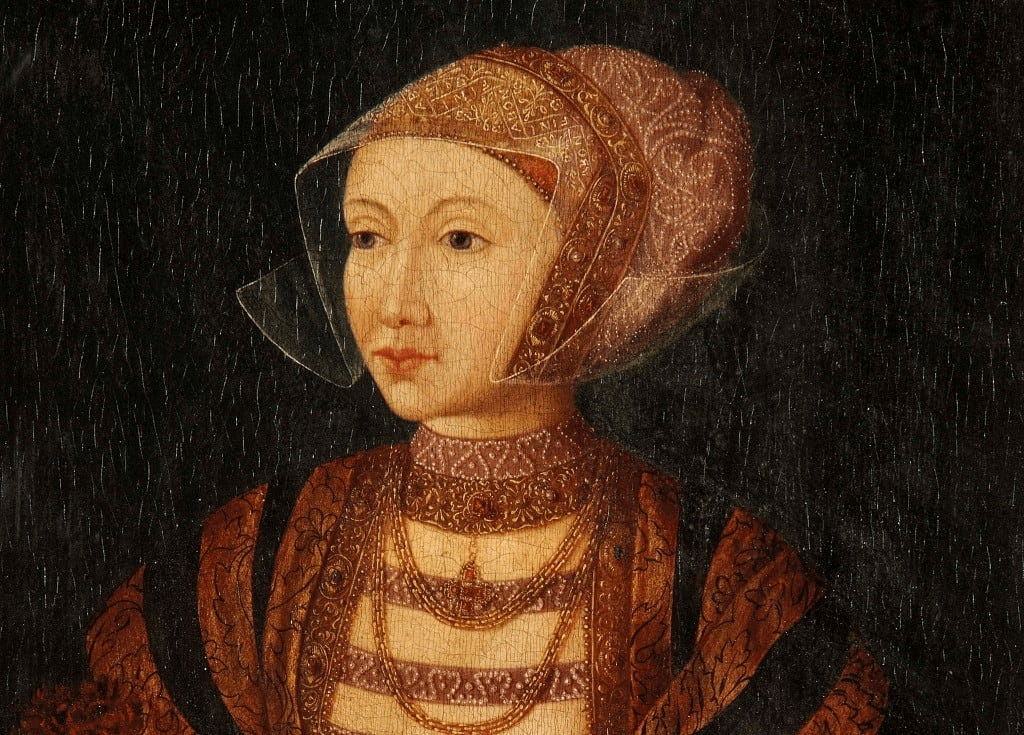
Catherine Howard was a teenager. Let me repeat that. A teenager. She was coerced, assaulted, and then executed under the guise of treason. And yet she’s remembered as the “flirty one.” The girl who danced a little too close to the flame.
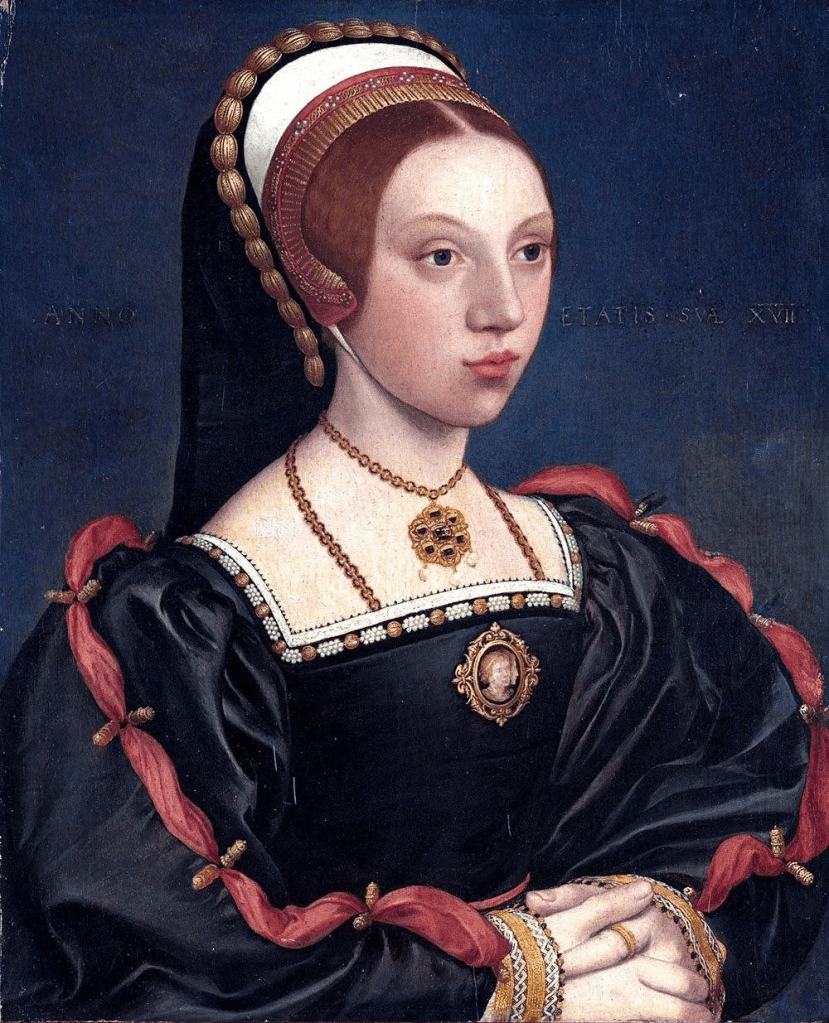
Catherine Parr outlived Henry. She published books. She helped raise Elizabeth I. THE Elizabeth. She negotiated her survival in a court that had devoured smarter women before her. But you’ll rarely find her on a tote bag or a Netflix docudrama.
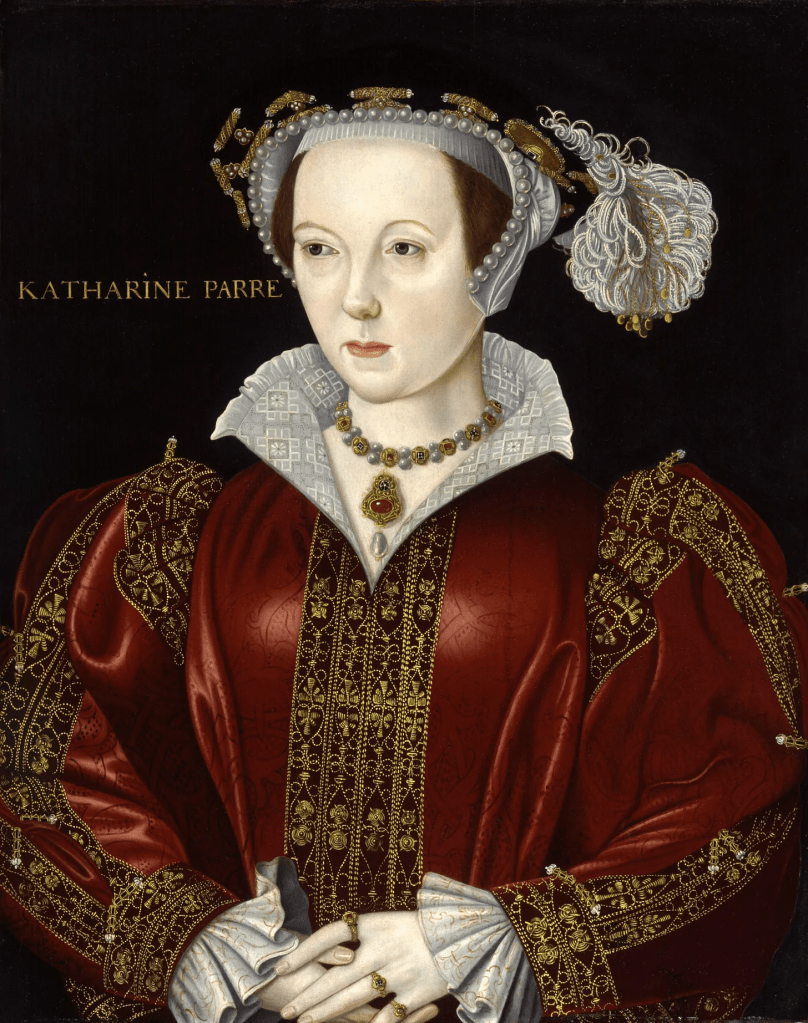
No one’s saying Anne wasn’t significant. She was. She changed the course of English history, whether she intended to or not. But let’s not pretend she was the only one who mattered. And let’s definitely not mistake the crown on her head for consent, power, or peace. She was just one more woman thrown into the jaws of a man whose ego was bigger than his kingdom.
This isn’t a call to cancel Anne Boleyn—it’s a call to contextualize her. To broaden the lens. To stop romanticizing a system that ate women alive and then dressed their bones in velvet. Every one of those queens deserves a headline, a retelling, a reclamation. Not just the one who lost her head in the most dramatic way.
History isn’t a soap opera. And if we’re going to keep watching the reruns, the least we can do is stop playing favorites with the casualties.
 Jessica Woodville | Memoir & Musings
Leave a comment