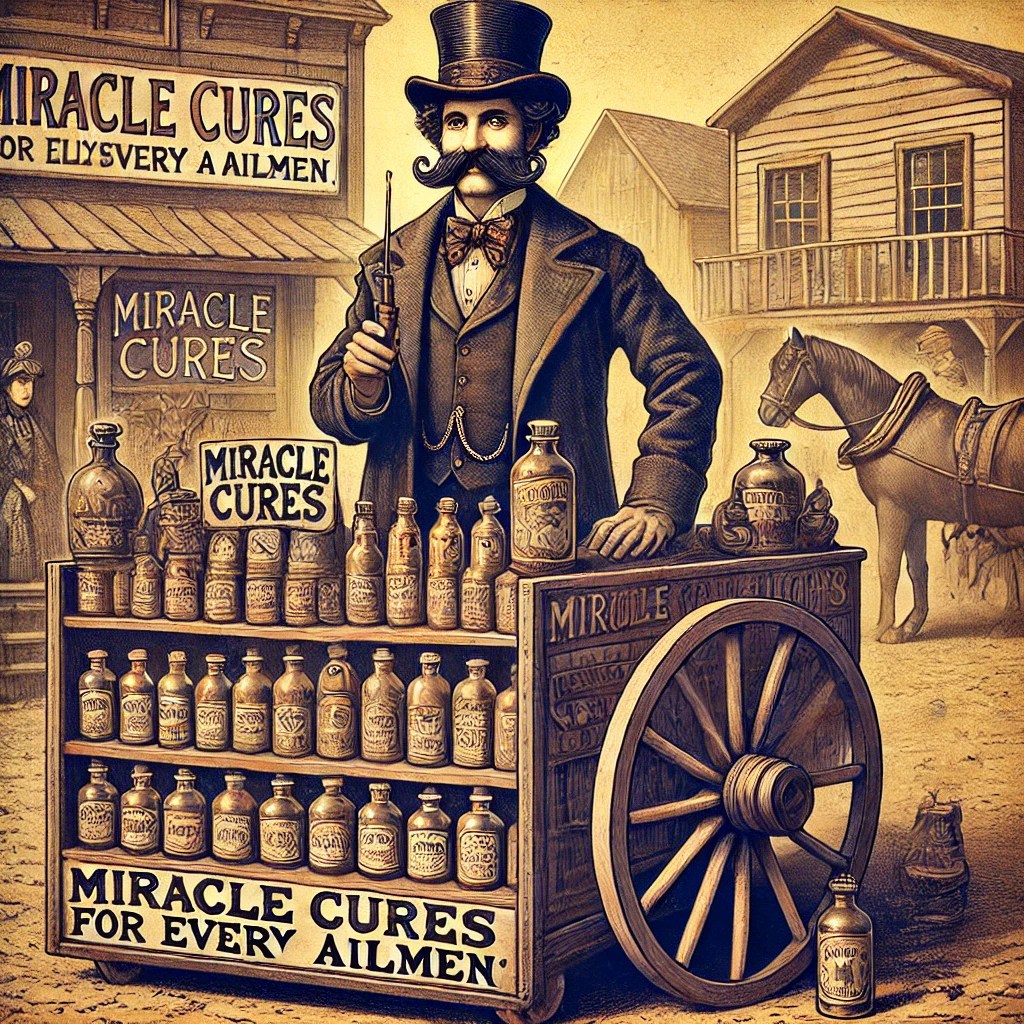
I don’t know about you, but I’m exhausted by the way trauma recovery is being packaged, marketed, and sold like the latest wellness trend. Healing isn’t a product. It’s not a five-step program or a color-coordinated workbook. And yet, every time I scroll through social media, I see another ad promising to “fix” trauma—just $99.99 for access to the secret formula that will finally make me whole.
Dr. Glenn Doyle’s article, Trauma Recovery and Marketing Bullsht*, hit me like a freight train because he put words to something I’ve been feeling for years: the exploitation of trauma survivors under the guise of “helping.” The self-help industry has learned that people in pain are willing to spend money for relief, and they’ve turned healing into a business model. And while I fully believe in paying professionals for their expertise and investing in real, evidence-based care, I have a big problem with the way trauma survivors are being sold hope in a bottle, wrapped in manipulative language that makes healing feel like a personal failure when it doesn’t happen overnight.
I’ll admit I’ve even built my own personal library filled with a plethora of self-help literature and workbooks just hoping for the holy grail. (which at least did come in handy when writing my memoir but moving on…)
The Dangerous Promise of Instant Healing
Dr. Doyle puts it bluntly: healing is hard. It’s messy. It doesn’t fit neatly into a TikTok trend or a five-day seminar. But that’s not what we’re being sold. Instead, we see promises like:
- “Release your trauma in just one session!”
- “This method will completely rewire your brain!”
- “You’re struggling because you haven’t tried this one thing yet!”
Sound familiar? Because I’ve seen variations of these claims everywhere. And let me be clear—there are powerful tools that can aid in trauma recovery. Therapy, somatic work, nervous system regulation—these things matter. But when someone tries to sell you a “guaranteed” solution with the urgency of a limited-time offer, it’s a red flag.
Here’s what these marketing schemes don’t tell you: There is no silver bullet for trauma recovery. No snake oil, no magic pill, no single therapy session that will undo years of survival mode.
Trauma recovery isn’t a straight shot from broken to healed—it’s a winding road filled with setbacks, forks in the road, slow progress, running out of gas, downed “trees” and moments where you swear you’re right back where you started. That’s not failure—that’s reality. The problem is, the people making money off of trauma survivors don’t want you to know that. They want you to think you’re one click away from being fixed, that healing is just a webinar or an overpriced masterclass away. Take these supplements. Read this book. Think happy thoughts…
But real healing isn’t something you can buy—it’s something you do, over and over again, no matter how frustrating or slow it feels.
Healing Isn’t a One-Size-Fits-All Journey
One of the biggest myths sold by the self-help industry is that healing looks the same for everyone. “Just meditate.” “Just journal.” “Just think positive thoughts.” “Just let it go.”
If it were that easy, trauma wouldn’t still be running people’s lives. If a single technique worked for everyone, we wouldn’t have people (like me) spending years trying to find the right combination of therapy, medication, support, and self-work that actually helps.
Dr. Doyle’s article emphasizes that healing isn’t about picking up a trendy technique and suddenly being “fixed.” It’s about trial and error, consistency, and finding what actually works for you—not what someone on Instagram claims is a cure-all.
Some people find immense relief in EMDR. Others find that it retraumatizes them. Some swear by nervous system regulation techniques, while others feel no difference at all. Healing is about listening to yourself, not blindly following a method just because a “trauma coach” with a well-lit backdrop tells you to.
Healing Takes Work—And It’s Not a Personal Failure If It’s Hard
One of the most harmful messages in the self-help world is the implication that if you’re still struggling, it’s because you’re not doing it right. You must not be “manifesting” hard enough. You must not be “ready” to heal. You must be “stuck in your victim mindset.”
Bullsh*t.
Healing is not a matter of willpower. You don’t stay stuck because you’re lazy or because you “enjoy” suffering. You stay stuck because trauma changes your brain and body in ways that don’t just vanish when you read a motivational quote. It takes time, effort, the right support system, and sometimes, the right medical interventions to start feeling safe in your own skin again.
Believe me, between the chronic illness “quick fixes” and multiple different mental health practices and techniques, I spent my entire savings trying anything that promised me some quality of life back. 5 years of burnout later, I am starting to find the things that are slowly working for me. Especially as I work on a way out of my current circumstances.
So, What Does Real Healing Look Like?
It looks like small, incremental changes. It looks like doing the work, even when you don’t feel like it’s making a difference. It looks like falling down and getting back up, over and over again.
It looks like:
- Noticing that you don’t react as strongly to a trigger as you did before.
- Choosing a healthier coping mechanism, even if it doesn’t feel as satisfying as the unhealthy one.
- Learning to trust yourself again.
- Being able to better listen to your mind and body, and trust what they are saying
- Finding moments of peace where there used to be only chaos.
- Realizing that even though healing is slow, it’s happening.
No one can sell you this process in a webinar. No one can promise you that it will happen in a set timeframe. But the work is worth it.
Final Thoughts: Be Wary of Trauma Profiteers
Dr. Doyle’s article reminds us that real recovery isn’t about flashy marketing or quick fixes. It’s about real, sustained effort over time. So the next time someone tries to sell you a magic bullet for healing, ask yourself:
- Are they preying on my desperation?
- Are they making healing seem fast, easy, or guaranteed?
- Are they promising transformation instead of progress?
Trauma survivors deserve real support, not exploitation. Healing isn’t a product, and you don’t need to buy your way to wholeness. You are already doing the work, whether you realize it or not. And that, more than anything, is what matters.
 Jessica Woodville | Memoir & Musings
Leave a comment