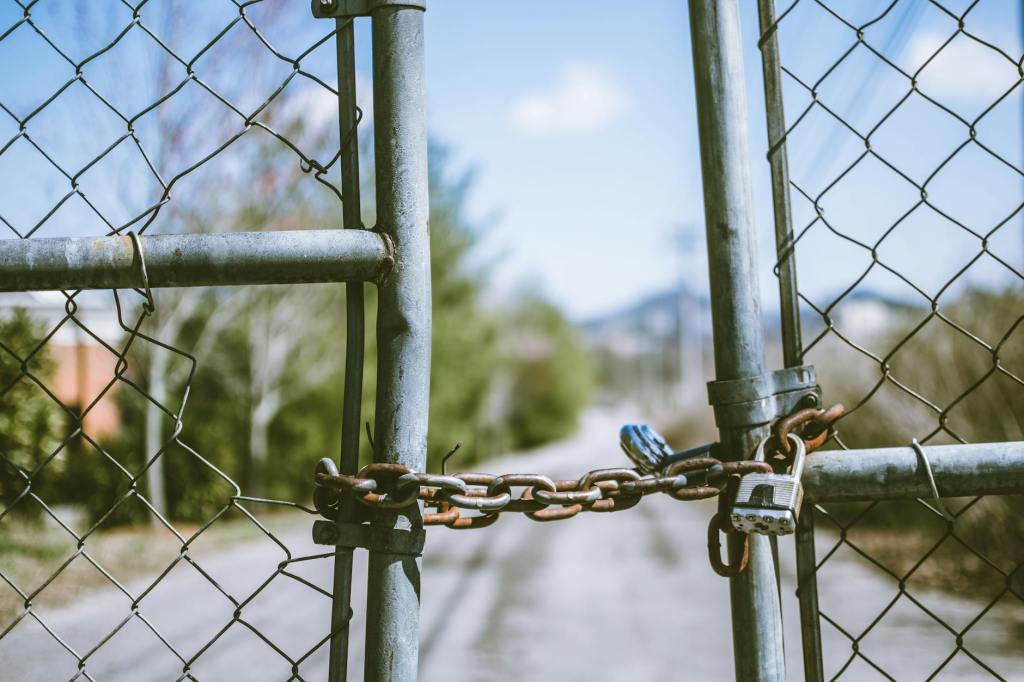
The troubled teen industry (TTI) is a billion-dollar network of behavior modification programs, including wilderness therapy camps, therapeutic boarding schools, boot camps, and residential treatment centers. Marketed to desperate parents as a last resort for their struggling children, these programs promise transformation and healing. But as a survivor of the TTI myself, I can tell you the reality is nothing like the promise. For thousands of us, the truth is one of psychological abuse, neglect, and trauma—a truth eerily similar to the experience of formerly incarcerated individuals.
I know this firsthand. I lived through the system that prided itself on “fixing” us but ultimately only broke our spirits. The trauma we endure in these programs is lifelong, and for many of us, we carry the scars—often invisible to the outside world.
Many survivors of the TTI unknowingly suffer from Post-Incarceration Syndrome (PICS), a condition often associated with long-term imprisonment. The parallels between what we experience in these programs and the incarceration of adults are undeniable: isolation, strict authoritarian control, forced labor, deprivation of basic human rights, and an environment designed to break us down. What makes it worse? While there are programs to support ex-prisoners, survivors like myself often have to navigate our trauma alone, without the understanding or support we desperately need.
Understanding Post-Incarceration Syndrome (PICS)
PICS is a psychological condition that affects individuals who’ve endured long periods of institutionalization, particularly in environments that strip away autonomy and enforce dehumanizing control. This is exactly what we faced in TTI programs—years of psychological and emotional control, with little regard for our humanity. The symptoms I lived through are the same that many others have experienced:
- Institutionalized Behavior – After years of being told what to do, when to do it, and how to do it, many of us—myself included—struggle to make decisions on our own.
- Hypervigilance & Anxiety – I still find myself looking over my shoulder, even in environments where I should feel safe. The fear of punishment is ingrained deeply in us.
- Emotional Numbness – I learned early on to shut off my emotions. It was a survival mechanism, one that took years to unlearn.
- Depression & Suicidal Ideation – These thoughts became my constant companions, as they are for so many others who survived these programs.
- Difficulty Trusting Others – Trust is something I still wrestle with. We were repeatedly betrayed, and that betrayal came from the people who were supposed to care for us the most: our parents, the staff, the system.
PICS vs. Boarding School Syndrome: Why TTI Survivors Relate More to PICS
Some might say we have “Boarding School Syndrome,” but that term doesn’t come close to capturing the depth of the abuse we faced. Boarding school experiences may be tough, but what I—and so many others—went through is a completely different beast. It’s the difference between being disciplined and being broken.
- Loss of Autonomy: In boarding school, you might still have a voice, but in the TTI, we had no voice. We were taken from our homes, often with no explanation, and placed in places where our very lives were controlled by others.
- Psychological Control & Learned Helplessness: Boarding schools may foster emotional repression, but the TTI tried to crush our will, to convince us we were worthless.
- Isolation & Deprivation: At least in boarding school, you might still have the opportunity to connect with others, but we were isolated—sometimes physically, always emotionally—and separated from our families and friends for months, years even.
Why This Distinction Matters
If we want to heal, society needs to recognize the difference between being emotionally suppressed in a school setting and being psychologically broken in a TTI program. By labeling us as victims of “Boarding School Syndrome,” we are denied the validation we need to begin healing. I, for one, still deal with the consequences of that denial.
The Lasting Psychological Effects of the TTI
Unlike incarcerated individuals, we had no set release date. We didn’t know when or if we’d ever go home. Some of us were woken in the middle of the night by “transporters”—strangers who dragged us from our homes, kicking and screaming. From that moment, we were taken to places where control was absolute, and the so-called “therapy” was often nothing more than humiliation.
The psychological effects are lasting. As a survivor, I still grapple with attachment issues, survivor’s guilt, and emotional dysregulation. I know I’m not alone in this, and the struggle is real for so many of us who were subjected to this trauma.
The Lack of Support for TTI Survivors
This is where the silence is deafening. While ex-convicts have reentry programs, therapy, and sometimes even public awareness, we’re left in the shadows. We’re often misdiagnosed or told that our trauma isn’t real. For me, getting the right care took years, and even then, there were very few professionals who understood what we had been through.
The Barriers to Healing
- Misdiagnosis – I was told for years that I had anxiety or depression, but no one ever acknowledged the trauma I had experienced.
- Lack of Trauma-Informed Care – Therapists who don’t understand institutional abuse can do more harm than good. They simply don’t know how to approach the complex, layered trauma we’ve experienced.
- Shame & Isolation – Too often, survivors like me feel ashamed of our experiences, thinking no one will understand or believe us. And because society doesn’t see our trauma as legitimate, we suffer in silence.
Conclusion: The Forgotten Survivors Must Be Heard
For too long, survivors have been forgotten, silenced, and left to heal on our own. The conversation must shift. We need to demand recognition for the trauma we endured. It’s time for us to be heard.
To all the survivors out there—you are not alone. Our trauma is real, and we deserve to heal.
If this article resonates with you, share it. Speak out. Stand with us in pushing for legislation that protects children from institutional abuse. If you’re a survivor, consider connecting with advocacy groups like Unsilenced. The road to healing is long, but together, we can make sure no one else has to suffer in silence.
 Jessica Woodville | Memoir & Musings
Leave a comment